
2014 · A boots-on-the-ground, on-reserve operating platform
Aboriginal Emergency Response Services
An emergency does not begin when the alarm sounds.
Prepared Communities. Proven Readiness. Stronger Futures.
AERS is the service delivery company: claims, inspections, assessment and field work. It helps communities identify risks, document investments, assess readiness, benchmark performance and develop practical roadmaps for improvement — before losses occur.
Preparedness · Founded 2014
The question
How prepared are we?
Every Nation can answer that question. Few can prove it.
AERS helps communities identify risks, document investments, assess readiness, benchmark performance, strengthen resilience, and develop practical roadmaps for improvement — before losses occur.
Readiness is not a feeling. It is evidence a community can show.
Aboriginal Emergency Response Services
Know the risk
The conditions that shape what happens during a fire, flood, evacuation or major loss may have been developing for years — the condition of housing, the availability of water, the state of the equipment, the strength of the response plan, the distance to contractors and outside assistance.
Every community has risks. But every community also has knowledge, resources and strengths that reduce those risks. The first step is understanding both.
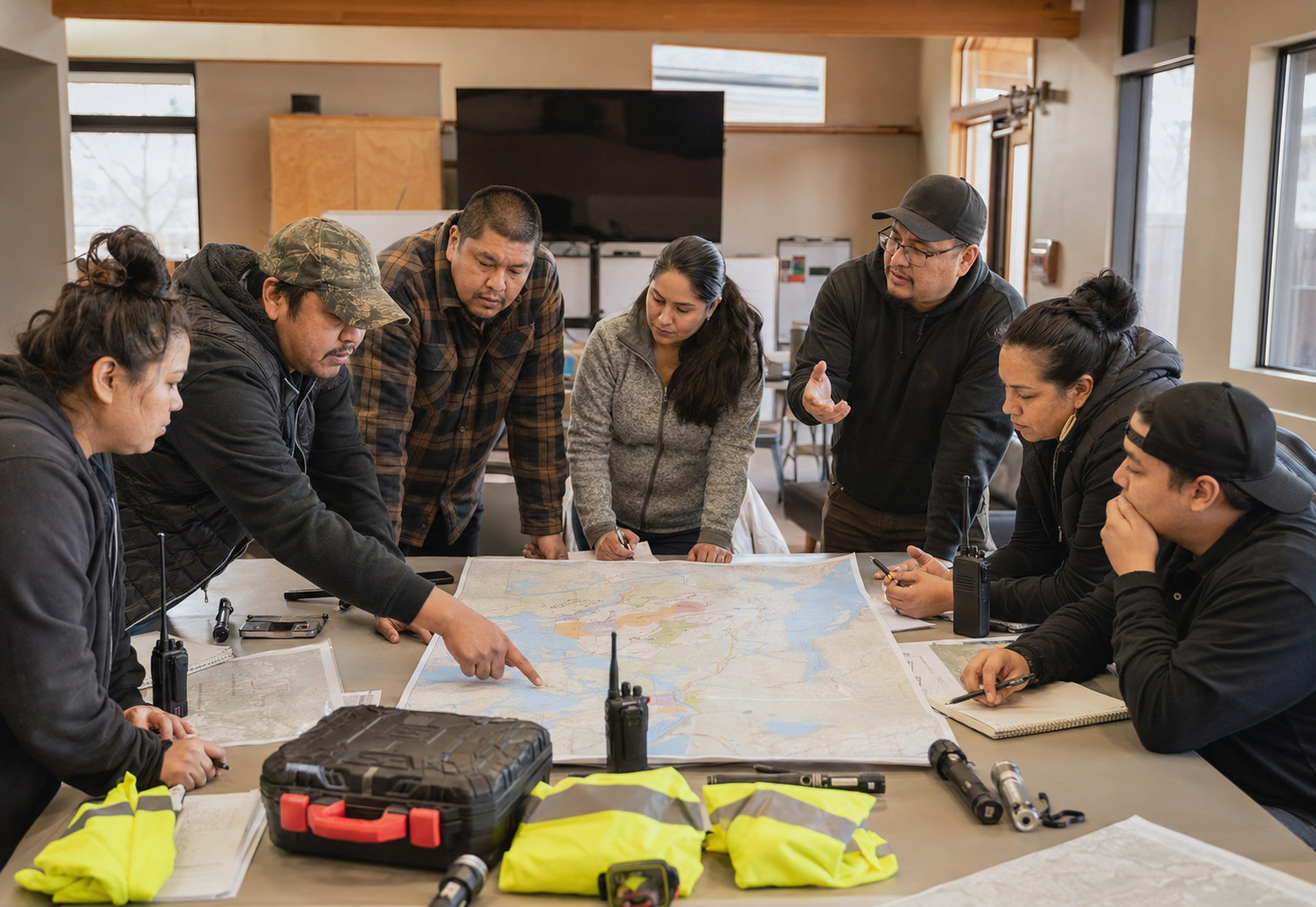
AERS begins on the ground — with leadership, departments, emergency personnel and community members — because preparedness has to be understood within a community's actual circumstances, not a standard municipal model.
CRASP · The Community Risk Assessment Safety Program
CRASP — the Community Risk Assessment Safety Program — examines the conditions that shape a community's risk:
- Fire protection
- Water supply
- Emergency response
- Housing
- Infrastructure
- Community assets
- Prevention programs
- Existing risk controls
It looks at more than equipment. It recognizes what the community is already doing to prevent losses and protect its people.
Leadership
sees existing strengths
Departments
identify gaps
Fire chiefs
receive practical priorities
Insurance
discussions rest on the conditions that actually exist
Why it matters
Readiness is measured, not assumed
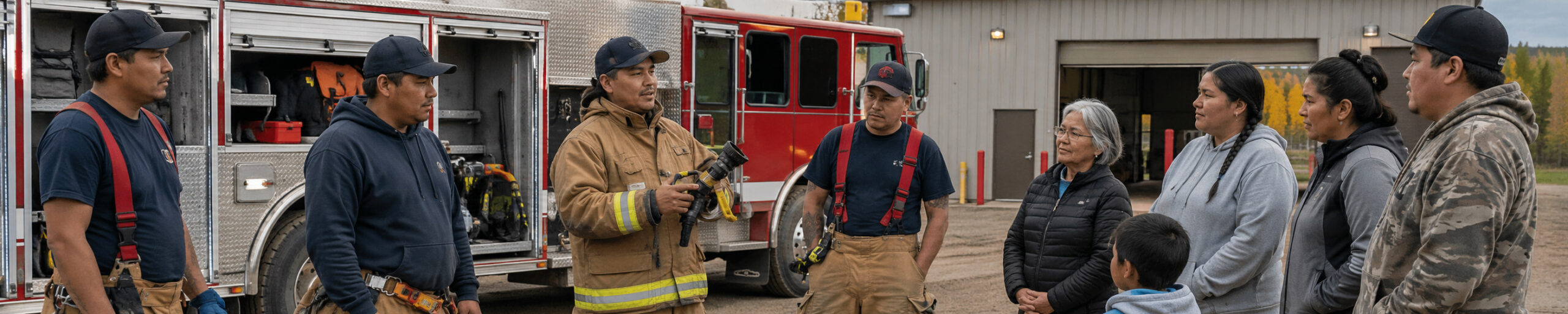
When something goes wrong in a First Nations community, help may not be twenty minutes away. It may be hours away. Sometimes much farther.
That distance changes what preparation means. A plan that works in a city may not work on territory. Equipment that exists on paper may not be ready in practice.
So AERS starts with what is actually there. What has been trained. What has been inspected. What has been upgraded. What has been planned.
Documented readiness protects the community first. It also changes how insurers, funders and partners understand the Nation's risk.
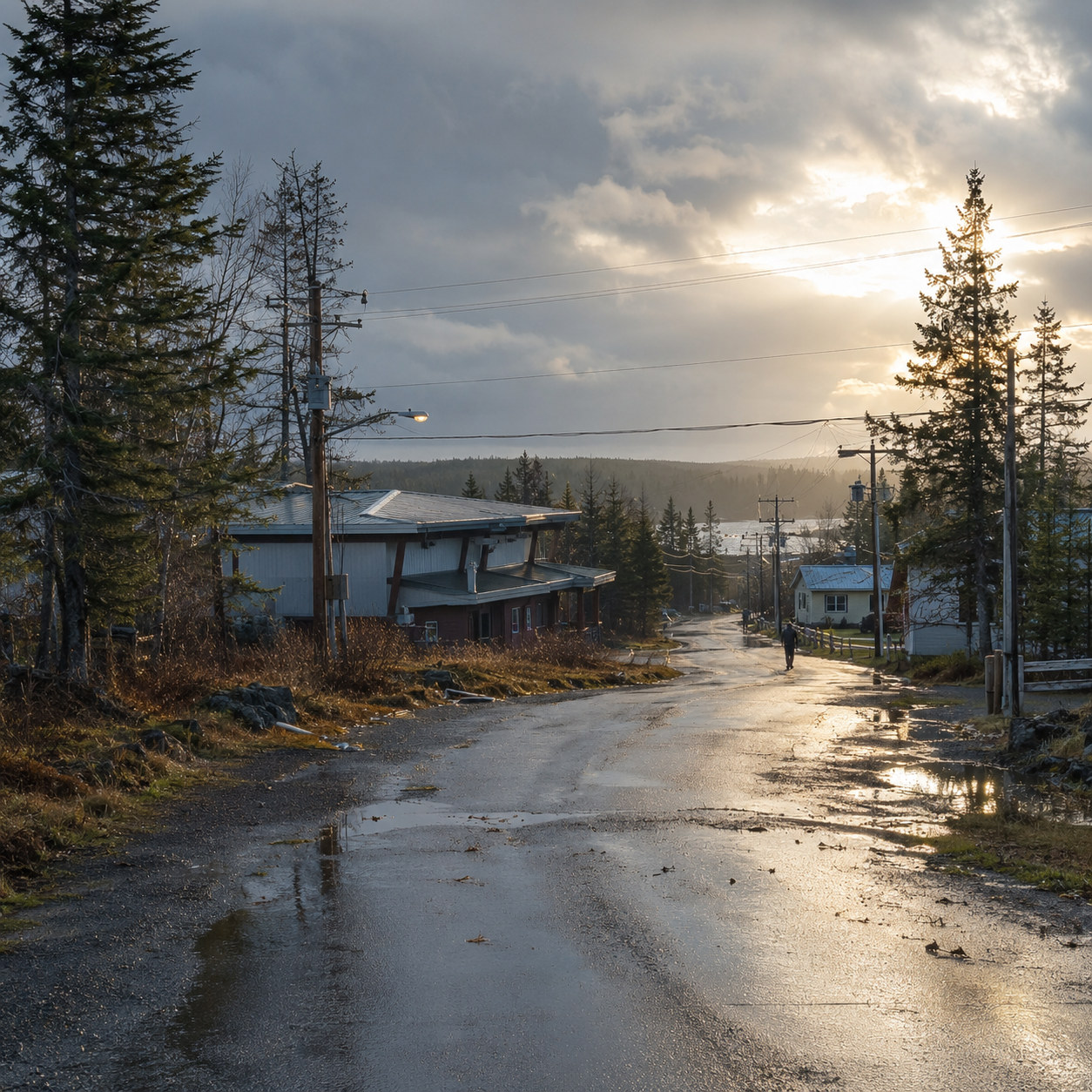
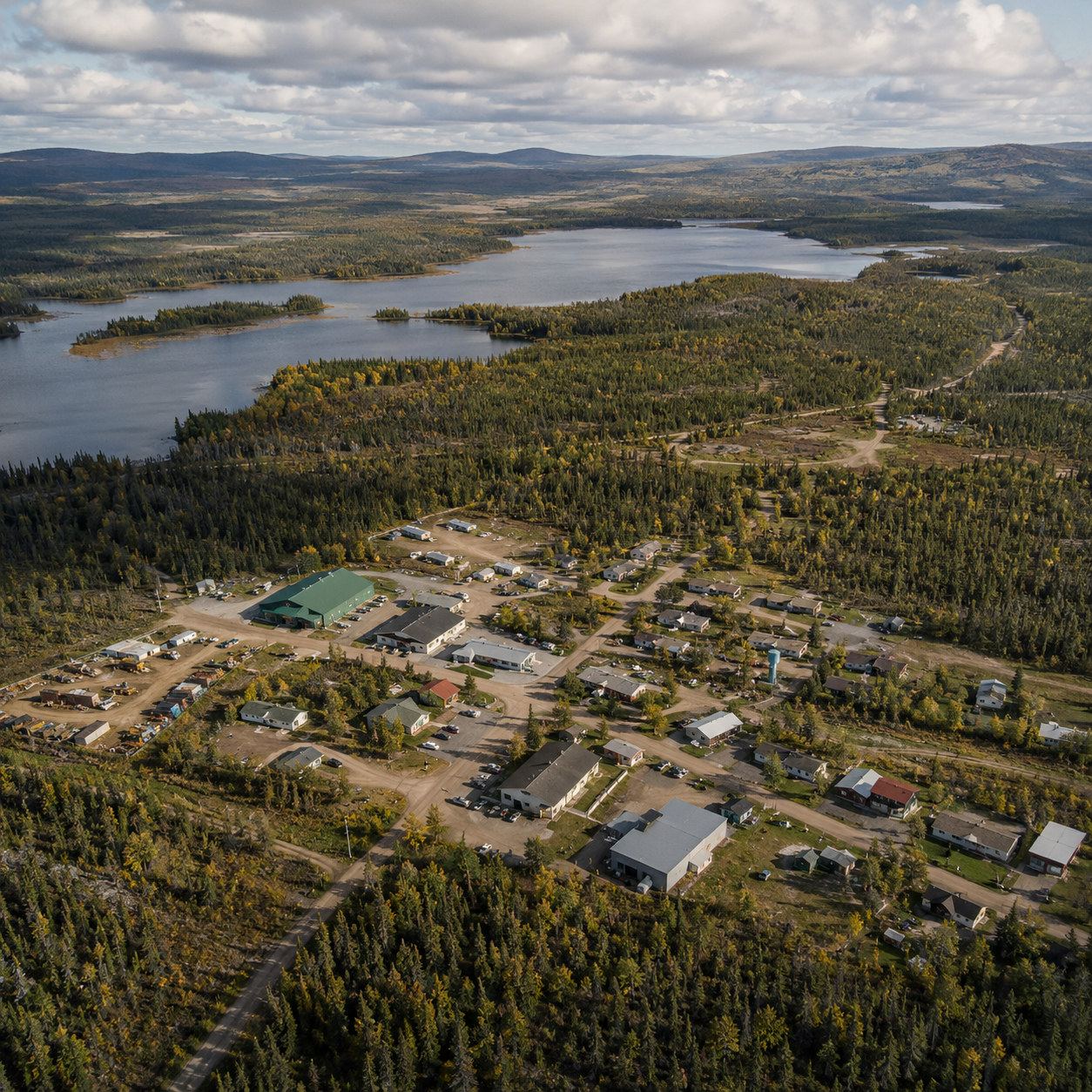
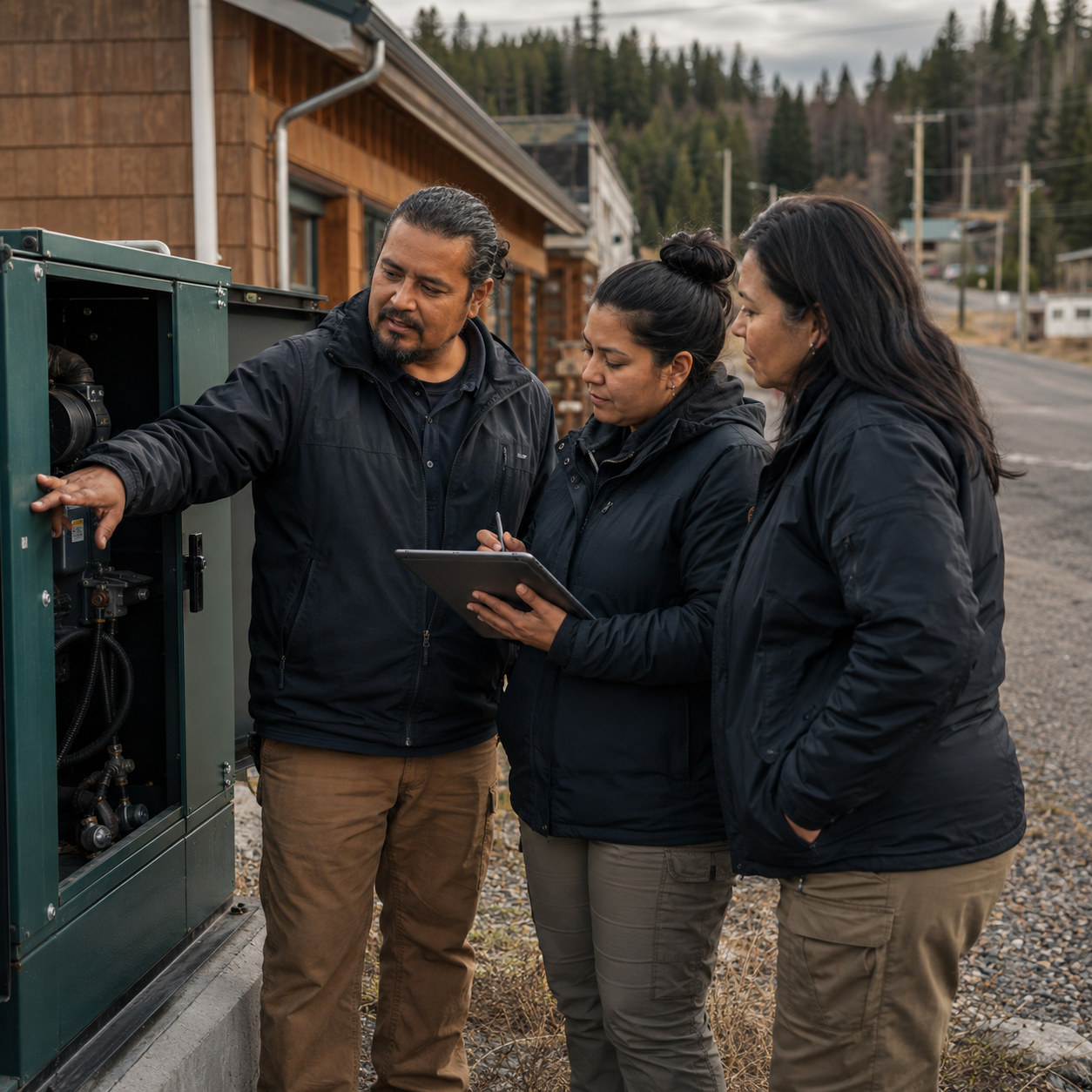
Documented readiness protects the community first.
How AERS works
One team, working from the same evidence
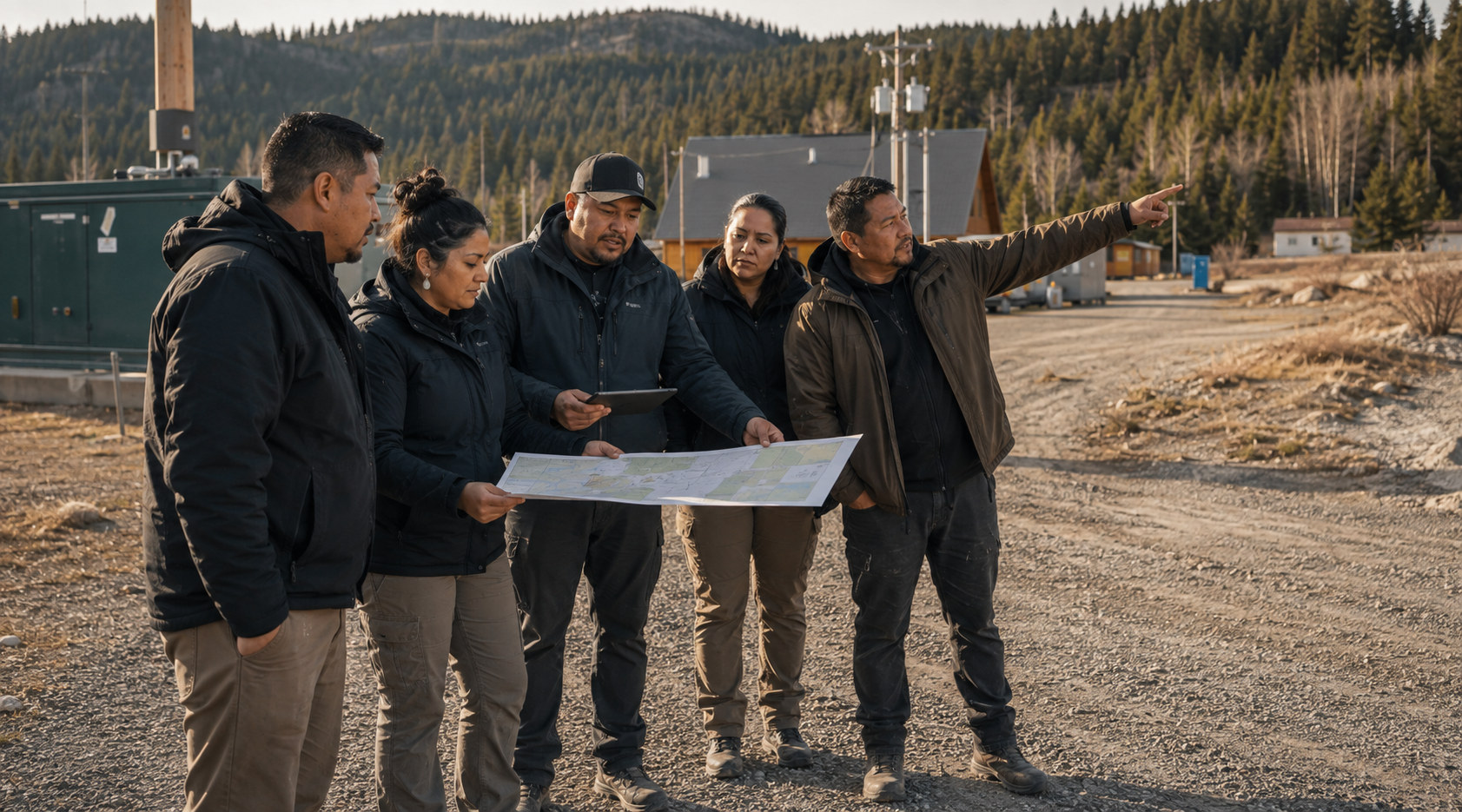
Ground Control does not work alone. It is part of one team at AERS — assessment, Ground Control, and community planning — working from the same evidence, with the same community, toward the same future.
- Assessment establishes what the risks and responsibilities actually are.
- Ground Control sees the community as it is, bringing scattered knowledge into one clear picture.
- Community planning charts where the Nation wants to go.
- AERS measures the readiness to get there, year over year.
One team. One picture. One plan the Nation owns.
Aboriginal Emergency Response Services
Build the readiness, recover stronger
A plan should not simply exist in a binder. It should be understood by the people who will carry it out.
Before — Preparedness and training that stays local
- Planning: Plans and procedures agreed locally.
- Training: Skills that stay inside the Nation.
- Documentation: Resources recorded and maintained.
Plans, procedures, documentation and training in response, claims handling and contractor development — strengthening the capability already present within the Nation.
After — Support when a loss occurs
- Documentation: Damage recorded as it is found.
- Inspections: Inspections and estimates assembled.
- Coordination: Contractors and information in one place.
- Claims: Communication through the claim.
AERS assembles the photographs, inspections, estimates and contractor information a claim requires — so leadership can stay with its people, and the work stays local.
Fourteen years of readiness
Hundreds
of community visits, risk assessments and preparedness reviews
200+
CRASP community assessments completed
Hundreds
of underwriting reviews supported
$600 million+
in claims activity supported — wildfire, flood, infrastructure and major loss
Prepared communities recover faster.

A featured service of AERS
Ground Control
The knowledge belongs to the community. Ground Control makes the evidence visible.
Services
What AERS does
Community asset verification
Identifying and confirming what a Nation owns across buildings, housing, infrastructure, equipment and essential services.
Asset mapping
Locating and recording community assets and their dependencies so the full picture is held in one place.
Field assessment and site review
On-the-ground review of structures, systems and community services by qualified assessors.
Fire service and life-safety evaluation
Assessment of community fire services, fire protection and life-safety provision in the community context.
Evidence collection and documentation
Gathering and organizing the documentation that demonstrates what protection is already in place.
Readiness scoring
Contextual readiness classes built for on-reserve conditions rather than municipal grading systems designed elsewhere.
Dashboards and reporting
Reporting that shows leadership what is working, where vulnerabilities sit and what should be improved next.
Community Road Maps
A practical five-year plan setting out priorities, ownership, timing and evidence of completion.
Inspection and claims field support
Inspection and field work supporting claims, verification and program delivery.
Start the conversation
Tell us what your Nation is working toward, and AERS will start there.