
2025 · Indigenous economic participation framework
Turtle Island
Every project creates two economies. The one everyone sees — and the one almost nobody talks about.
Built for First Nations. Structured for Stability. Designed for the Future.
Turtle Island is the economic participation company, led by its own Chief Executive Officer. It expands Indigenous participation into the insurance, bonding, risk and advisory ecosystem that every major project requires.
Opportunity · Founded 2025
The question
What happens beyond the fence?
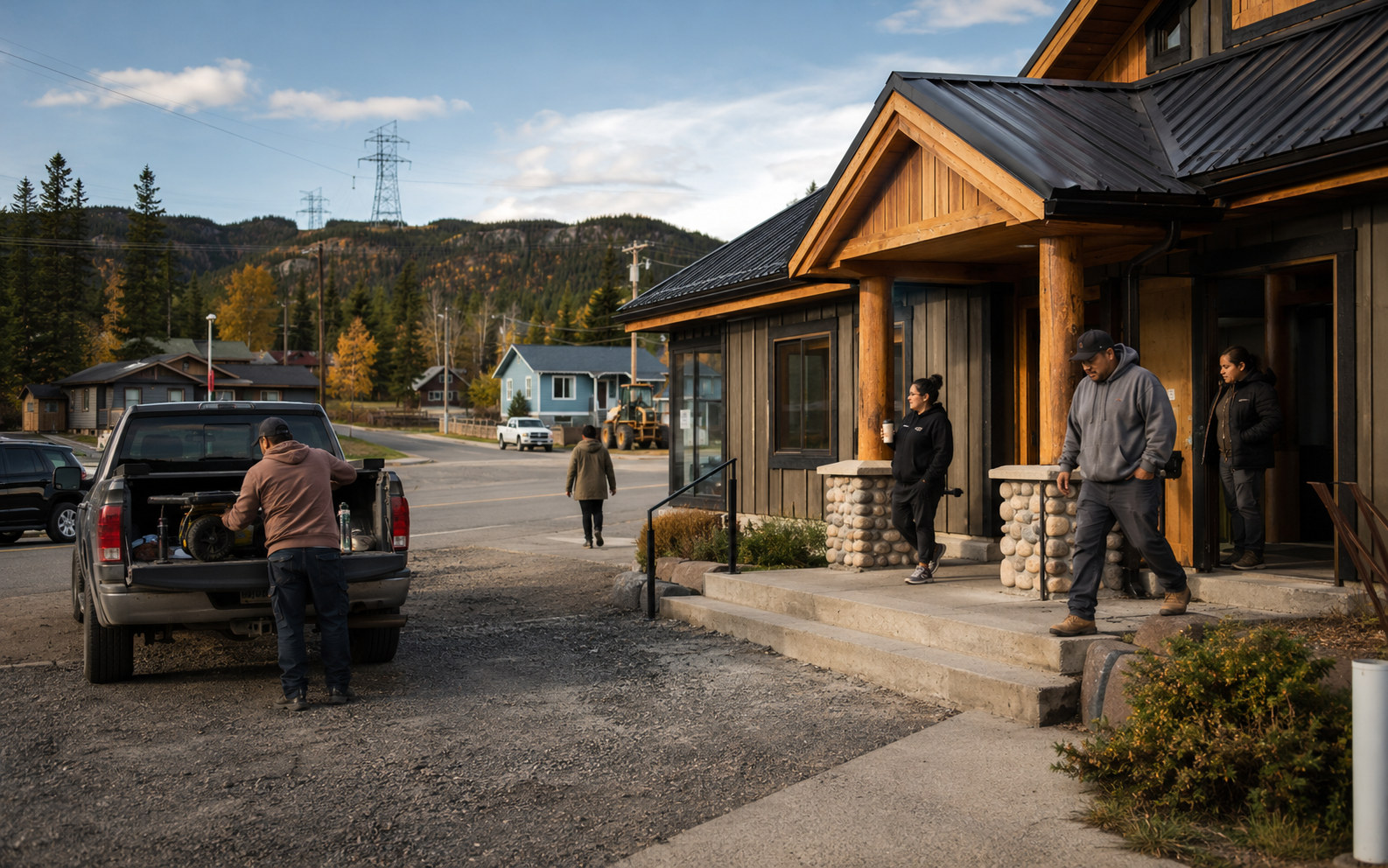
Every major project creates something much larger than the project itself. Around every mine, transmission corridor, energy development, industrial facility, housing program, and infrastructure investment exists an entire ecosystem.
The project may last three years. The supporting economy around it may last thirty. The construction fence eventually comes down. The economic activity often remains for decades.
If a Nation helps make a project possible, should Indigenous participation end when construction is complete?
Turtle Island
The second economy
For over a century, major infrastructure, energy, transportation and resource projects have generated two economies.
The first economy built the project. The second insured it, financed it, bonded it, managed its risks, handled its claims and supported its operation for decades afterward.
Those expenditures are required by every lender, every project owner and every major project budget.
Historically, much of that second economy flowed elsewhere while projects moved forward on or near Indigenous territories.
- The project — Three years
- The supporting economy — Thirty years
Insurance, financing, bonding, risk, claims and operations — carried across the whole life of the asset.
The first economy
The one everyone sees
Built the project.
The second economy
The one almost nobody talks about
Insured it, financed it, bonded it, managed its risks, handled its claims and supported its operation for decades afterward.
Required on every project
Construction and builders risk insurance, wrap-up liability, surety bonding, performance and labour and material payment bonds, risk management, compliance, claims support and professional advisory services.
The project may last three years. The supporting economy may last thirty.
Context
What was built — and what was built around it
For generations, Indigenous communities have contributed land, labour, resources, knowledge, partnerships, stewardship, and leadership to some of Canada's largest economic projects. Roads were built. Transmission lines were constructed. Mines were developed. Energy corridors expanded.
Traditionally, the conversation focused on a familiar set of opportunities: jobs, procurement, training, construction contracts, and equity participation. These opportunities remain important. But they represent only part of the picture.
Turtle Island is not a procurement program. It is not a contractor registry. It is not a promise of business opportunities. And it is not a shortcut to economic development.
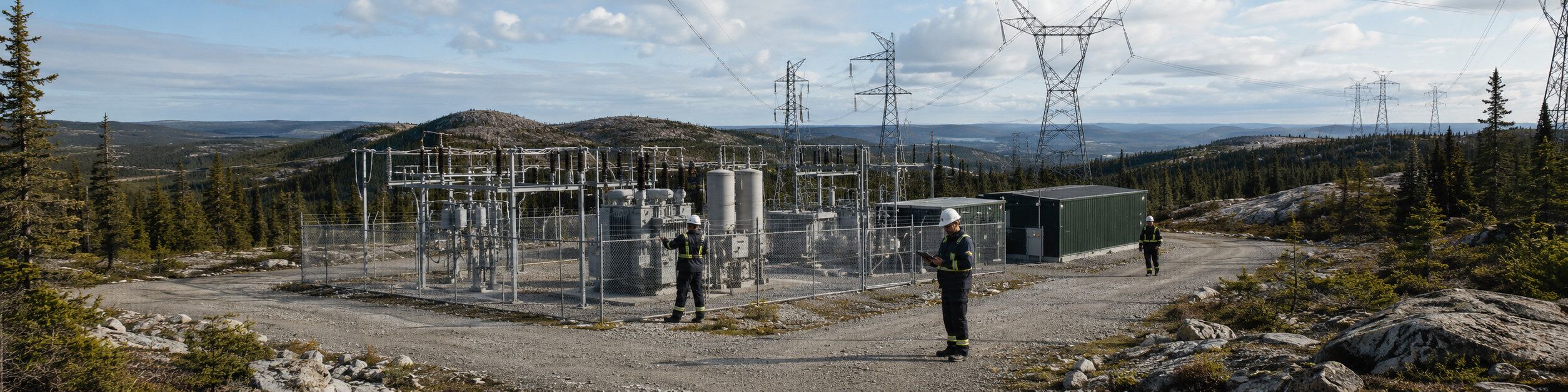
Turtle Island does not tell a Nation what it should do. The Nation remains the decision-maker. Turtle Island helps communities see the bigger picture — and the long-term economic activity that continues long after construction has ended.
Because meaningful participation begins with informed decision-making.
Turtle Island
Expanding participation, not replacing it
Turtle Island is not about replacing procurement, jobs or construction contracts.
It is about expanding participation beyond construction — into financing, insurance, bonding, operations, risk, claims and asset stewardship.
A staged process
- Project inventory — a project register
- Economic-ecosystem mapping — an economic-stream map
- Insurance and bonding review — a set of bonding requirements
- Legal and regulatory review — a legal answer
- Partnership and structure development — a working structure
- A repeatable protocol for future projects — a protocol to reuse
A Nation can stop at any stage and still keep something useful.
Where the influence actually sits
The strongest practical opportunity is closest to the Nation — Nation-owned contractors, Indigenous businesses bidding on work, their general liability, equipment insurance, fleets, professional liability and surety bonds, and assets the Nation owns or directly tenders.
Why size is not influence
A project sponsor's own program may be far larger but harder to influence, because the sponsor and its broker generally control the placement. The economics follow actual influence, not project size.
What Turtle Island is not
- Not an increase in project costs.
- Not a request for additional government money.
- Not a change to required coverage.
- Not a plan to turn the Nation into an insurance broker.
- Not a guaranteed revenue program.
The question is no longer whether these opportunities exist. The question is whether Nations are prepared to explore them.
That is the conversation Turtle Island was created to begin.
Services
What Turtle Island does
Insurance placement participation
Structuring participation in the insurance activity generated by community-owned assets and major projects.
Infrastructure servicing
Connecting infrastructure servicing work to Indigenous businesses and Nation-owned enterprises.
Indigenous procurement
Directing procurement arising from projects on Indigenous territories toward Indigenous suppliers.
Revenue participation
Structured, recurring revenue participation in the economic activity a project generates.
Economic participation structuring
Building the model that keeps commercial value connected to the territory where it was created, and reinvested into readiness, capacity and long-term priorities.
Start the conversation
Tell us what your Nation is working toward, and Turtle Island will start there.